


 ORIGINAL STUDY
Weightless Space
Deep House118 BPM
The last train has gone.

ORIGINAL SOUND STUDY / 04
There is no arrival time here. Warm tones stretch into the blue distance, moving like sunlight through deep water. Let the edges of the day dissolve.
Original instrumental demo · Synthesized locally · No account needed
BEHIND THE FEELING
Ambient listening can shift attention away from a strong beat and toward texture, duration and decay. This short study reduces the percussion and gives the chord tones room to overlap. The tempo is a compositional reference, not the main event.
Use comfortable speakers or headphones at a modest level. Notice where each tone seems to end. If the boundary is difficult to locate, you are hearing how overlapping decays can create a continuous field.
82 BPM · minimal percussion · open atmosphere · long note releases. This short arrangement combines synthesized oscillators, shaped noise percussion and simple delay. It is an educational sketch, with a deliberately limited palette rather than a full commercial release.
Genre names here describe a listening direction. They are not claims about an established artist or an official remix. Every recording on 51ROUSI is an original procedural study; none samples a commercial song.
SCENE TO SESSION / BEGINNER PROJECT
Chilled ambient texture · 82 BPM · C major · One eight-bar DAW sketch
A fictional creative brief by 51ROUSI, edited by Shamu. The story is a production prompt; it is not a claim about a real event.
Before sunrise, a lake looks almost solid. A narrow line of light reaches the far bank. The first breeze makes one small patch of water change color, then the surface settles again. There is no dramatic event to score; the scene depends on your attention staying with a slow change.
Let a sustained chord carry that change. A small upper note can act as the reflected light, while the space around it gradually opens. The absence of a strong drop is intentional. Keep enough dry tone to hear what is decaying. A long effect tail is useful only when the next musical gesture still has room to begin.
A C–E–G pad, one high G accent, a very quiet low pulse and filtered noise. For the DAW exercise you may mute the drum entirely; the browser comparison retains its limited engine rhythm.
This is a suggested remake, rather than a transcription of the 30-second study above. Use any DAW with a piano roll, a basic synth and stock effects. Save a duplicate before each experiment.
| Bars | Decision and purpose |
|---|---|
| 1–2 | Introduce the pad with a gentle attack and no upper accent. |
| 3–4 | Add one high G, then leave space for its decay. |
| 5–6 | Raise the pad send slightly; keep the dry chord level fixed. |
| 7–8 | Stop new notes early and listen through the remaining tail. |
LISTENING EXPERIMENT / A & B
Render two fresh eight-bar browser sketches. Only the atmosphere input changes: A = 28%, B = 82%. Tempo, key, random seed and the other controls stay fixed. These are limited synth recipes, separate from the recording above and from your DAW arrangement. They do not demonstrate every step in the table.
No audio renders until you click. Playback starts only when you press A or B.
Use a comfortable volume. A parameter can affect both tone and perceived loudness; compensate with the player volume before judging the preference. This is a comparison of engine inputs, not a calibrated listening test.
Explore these four control values in Synth Lab ↗A DELIVERABLE YOU CAN CHECK
Use these checks on your own DAW sketch. The browser comparison gives a listening reference; it does not complete the project for you.
Notes stay in this page's memory. Export them before leaving; this site does not upload or save them.
ANOTHER PLACE TO GO
ORIGINAL STUDYDeep House118 BPM
The last train has gone.
 ORIGINAL STUDY
Dark Pop110 BPM
3:00 a.m.
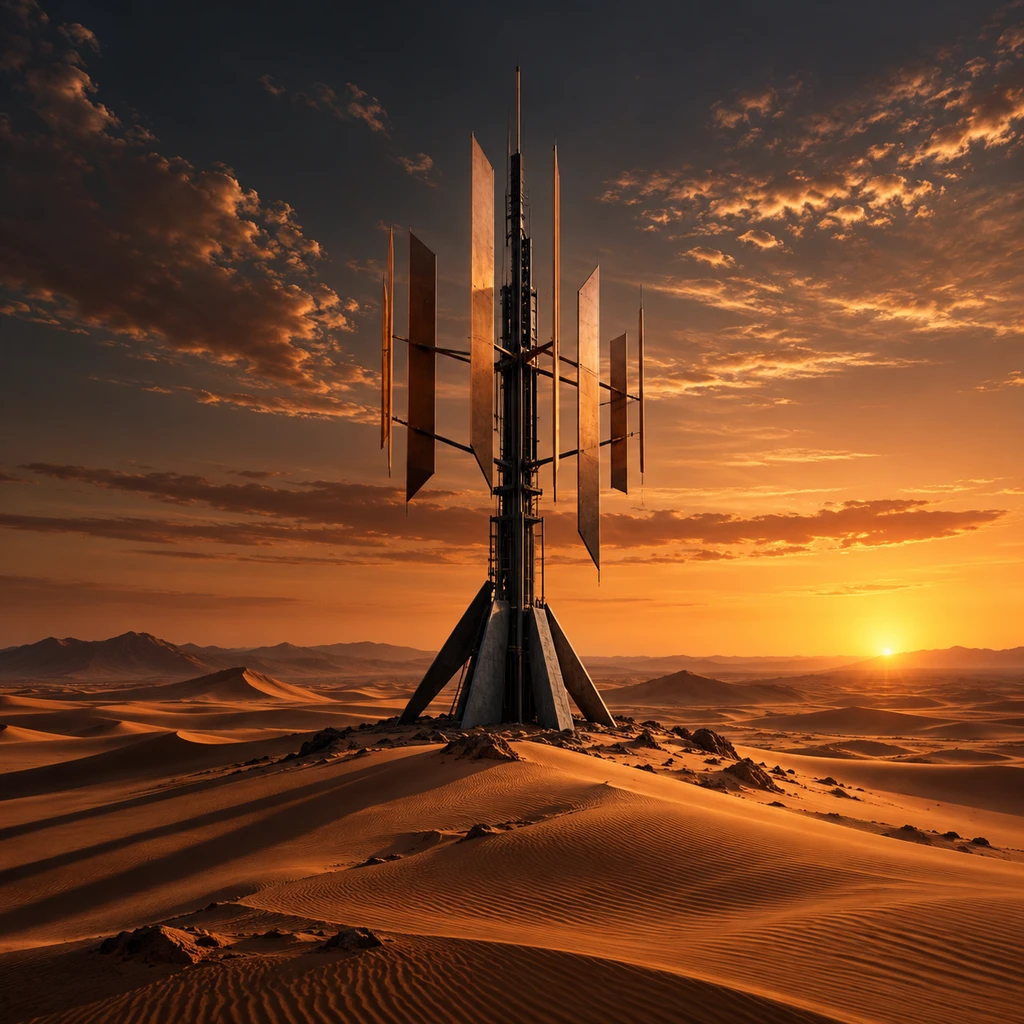 ORIGINAL STUDY
Melodic Techno126 BPM
A signal arrives from beyond the dunes.
 ORIGINAL STUDY
Progressive House122 BPM
Streetlights become a single silver thread.